
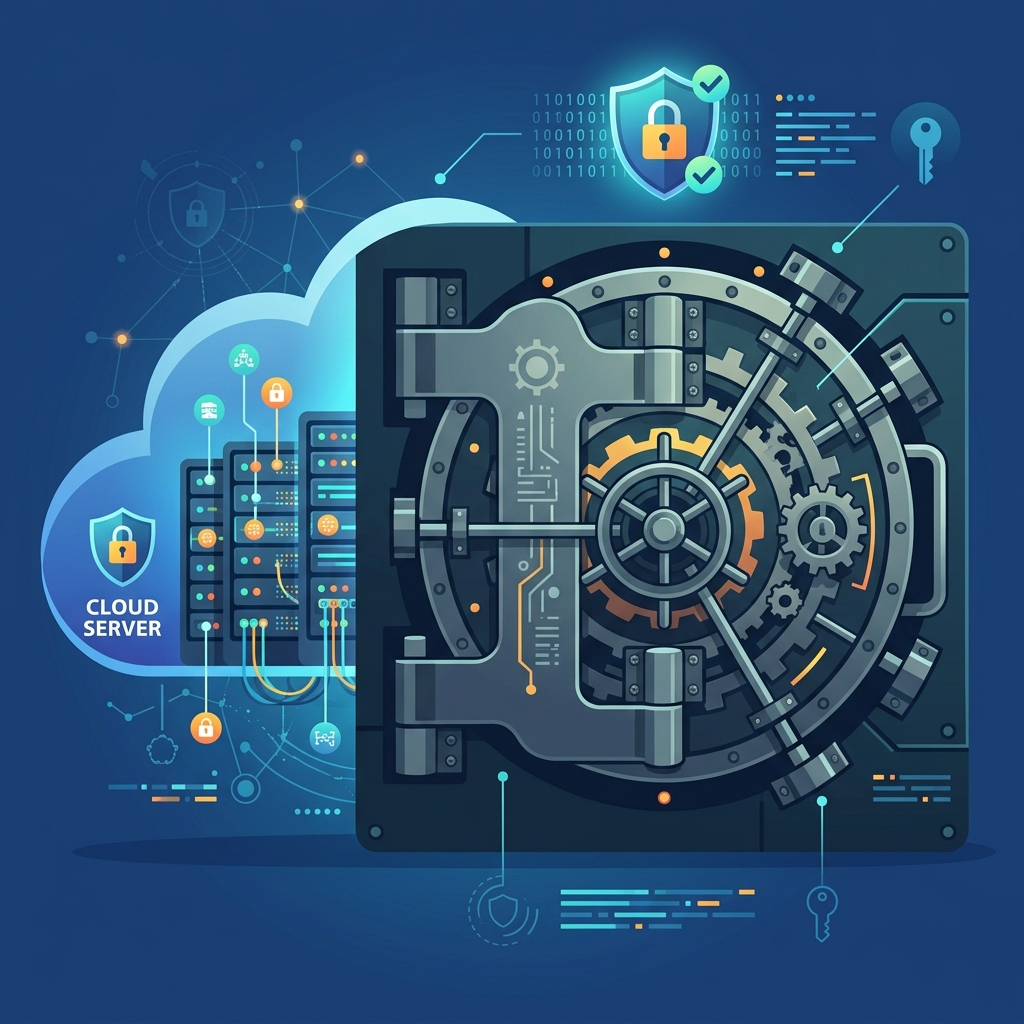
The landscape of cybersecurity is evolving at an unprecedented pace. The traditional "castle and moat" approach, where an organization's internal network was presumed safe while the outside was viewed with suspicion, has entirely collapsed. With remote work, cloud infrastructure, and sophisticated cyber syndicates, threats can originate from both inside and outside the perimeter. The modern solution to this pervasive threat environment is the Zero Trust Security Model. This paradigm shift operates on a core tenet: never trust, always verify. No user, device, or system is inherently trusted, regardless of their location on the network. But what does Zero Trust mean for the average user, developer, or enterprise IT manager? At its foundation, Zero Trust is incredibly dependent on identity verification.
1. The Shift to Identity-Centric Security
In legacy networks, a firewall blocked bad actors. If someone managed to get past the firewall, they often had free rein to access databases, files, and applications. The Zero Trust architecture dismantles this by requiring continuous authentication and authorization. In a Zero Trust framework, identity is the new perimeter. Every single access request is evaluated dynamically based on numerous factors including location, device health, and user behavior. This shift means that protecting your identity is paramount.
Because identity is the linchpin of this security model, the methods used to establish identity must be impenetrable. This is where many organizations falter. They implement complex micro-segmentation and advanced endpoint protection, but allow users to rely on weak, easily guessable passwords. If an attacker can guess a user's password, they inherit that user's identity. In a Zero Trust environment, a stolen identity still grants access, albeit limited by least-privilege principles, but dangerous nonetheless. To fortify this new perimeter, organizations must enforce the use of cryptographically secure credentials. A Secure Random Password Generator is essential here, providing the randomness and complexity necessary to withstand brute-force attacks, dictionary attacks, and credential stuffing.
2. Why Human-Generated Passwords Fail in Zero Trust
Humans are notoriously bad at creating random passwords. We gravitate towards patterns, memorable dates, keyboard walks (like "qwerty"), and common words. Even when forced to use special characters and numbers, we often append them predictably (like adding "!" or "123" to the end of a word). Attackers are well aware of these psychological tendencies. They use massive databases of breached passwords and sophisticated algorithms to crack human-generated passwords in seconds. In fact, according to guidelines by NIST (National Institute of Standards and Technology), password length and unpredictability are the most critical factors in security.
In a Zero Trust architecture, a compromised password undermines the entire system. When the system continuously verifies a user, it checks the credentials presented. If those credentials are stolen because the user chose "CompanyName2026!", the system will successfully authenticate the attacker, assuming they are the legitimate user. The only way to eliminate this human vulnerability is to remove the human element from password creation entirely. Machine-generated, truly random passwords generated locally in your browser ensure that there are no underlying patterns for attackers to exploit.
3. The Role of Entropy in Access Control
Entropy is a measure of randomness or unpredictability in a system. In cryptography and password security, high entropy means a password is very difficult to guess. A Zero Trust framework demands high-entropy credentials for all users and service accounts. A 16-character password generated with a mix of uppercase, lowercase, numbers, and symbols has incredibly high entropy, making it mathematically infeasible to crack using current technology. This is why utilizing an advanced tool like our random password generator is a non-negotiable aspect of modern security.
Furthermore, when handling sensitive documents securely online, such as using online PDF tools to convert or encrypt confidential reports, the security of the account accessing those tools is paramount. If your identity is breached, your confidential files could be intercepted during processing. Zero trust means extending your security posture to every single application and utility you interact with on a daily basis.
4. The Intersection of Zero Trust and Data Privacy
Zero Trust is not just about keeping hackers out of the network; it's about protecting the data itself. Data privacy regulations (like GDPR and CCPA) mandate strict access controls. When employees or clients upload sensitive files, perhaps for conversion using PDF utility tools, they expect that data to remain secure. Zero Trust ensures that only authorized entities can access the data processing environments.
But what happens if a user's account is compromised? By coupling Zero Trust architecture with enforced use of generated random passwords, you create a dual layer of protection. The random password prevents the initial identity compromise, and the Zero Trust architecture limits the blast radius if an anomaly ever occurs. This layered approach extends to all online utilities you use. Secure password generation is the baseline, and verifying that the platforms you use (whether for text formatting, base64 encoding, or PDF manipulation) operate securely is the next step. True security in the digital age is holistic.
5. Implementation Strategy for Modern Enterprises
Transitioning to a Zero Trust architecture does not happen overnight. It requires a meticulous, phased approach. The first and most impactful step an organization can take is mandating the use of password managers and cryptographically secure passwords across the entire workforce. This eliminates the lowest-hanging fruit for attackers. Educating employees on why they should stop reusing passwords and start relying on tools to generate them is critical.
Beyond just passwords, securing your file transfers and document workflows must be addressed. Relying on secure utilities ensures that no matter where an employee is working from, their data handling adheres to the strict principles of Zero Trust. The journey is continuous, and every tool you use, from authenticators to password generators, forms the bedrock of this robust security model. Start securing your digital identity today, because in a Zero Trust world, your credentials are your ultimate defense.