Key Takeaways
- Not all free VPNs are malicious: A select few use a "freemium" model to subsidize non-paying users without harvesting data.
- ProtonVPN and Windscribe lead the pack: Both offer strict no-logs policies verified by third-party audits and robust encryption standards.
- Beware of hidden costs: Many apps marketed as "100% free" in app stores generate revenue by selling your browsing history to third-party data brokers.
- Data caps and speed limits: Safe free services often impose restrictions on bandwidth or server selection to encourage paid upgrades.
- Check the jurisdiction: VPNs based in privacy-friendly countries provide an extra layer of legal protection against government data requests.
The Hidden Cost of Free VPNs
You have likely heard the old tech adage: if you are not paying for the product, you are the product. This concept is exceptionally relevant when discussing free Virtual Private Networks (VPNs). Running a network of secure servers around the globe requires massive investments in hardware, bandwidth, and cybersecurity personnel. When a company offers this complex infrastructure at zero cost to the user, they must recover their expenses elsewhere.
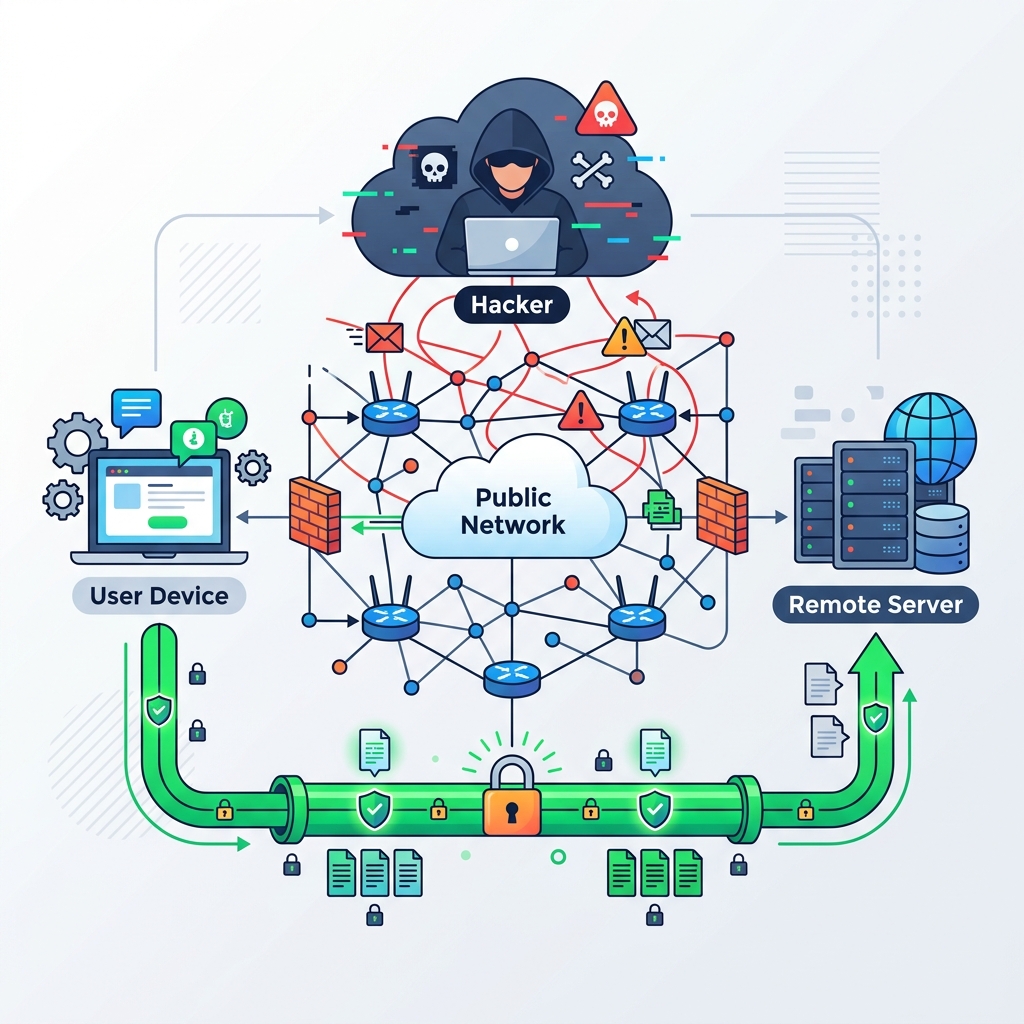
Historically, the vast majority of apps labeled as free VPNs on major app stores have operated as data-harvesting tools. Instead of protecting your privacy, they act as a man-in-the-middle, inspecting your traffic, recording your digital footprint, and selling comprehensive profiles to advertising networks. The Electronic Frontier Foundation (EFF) has continuously warned users about the privacy implications of routing sensitive traffic through unvetted third parties. Installing a malicious VPN is often worse than using no VPN at all because you hand over your entire unencrypted DNS request history and browsing habits directly to a single entity.
Beyond data sales, sketchy free services often inject targeted advertisements into the web pages you visit, manipulate your search results, or even lease your device idle bandwidth to premium users, effectively turning your computer or smartphone into an endpoint on a botnet. Before installing any security software, it is vital to research the company corporate history, jurisdiction, and independent audit reports. You can also analyze suspicious network payloads using our Text Compare Tool to spot unexpected modifications in code or logs when connected to unknown networks.
Why the Freemium Model Works
Fortunately, there is a legitimate category of zero-cost VPNs: those utilizing a freemium business model. In this setup, a reputable cybersecurity company offers a fully featured paid subscription alongside a restricted free tier. The revenue generated by paying customers subsidizes the costs of maintaining the free servers.
Why would a company give away expensive server bandwidth? The free tier acts as a powerful marketing tool. By providing a genuinely secure, private experience, the provider builds trust and brand loyalty. When a free user eventually needs higher speeds, access to more countries, or specialized streaming support, they are highly likely to upgrade to the paid version of the service they already know and trust.
Because these companies rely on their reputation to sell premium subscriptions, they have a strong financial incentive to maintain strict privacy standards across all tiers. Selling free user data would destroy their credibility and ruin their core business model. Reputable organizations like Mozilla advocate for transparency in data practices, a standard that top-tier freemium providers strive to meet through regular public audits.
Top Safe Free VPNs in 2026
Finding a trustworthy provider requires sifting through hundreds of misleading marketing campaigns. We evaluated over forty different services based on their privacy policies, encryption protocols, independent audit history, and user experience to bring you the best options currently available. All the services listed below operate on a freemium model and do not sell your personal data.
When evaluating security policies, it helps to understand the underlying data structures companies use to store user information. For those interested in the technical side, you can explore how secure tokens are handled using our JWT Decoder to see exactly what information is transmitted in a standard authorization header.
1. ProtonVPN: The Unlimited Data Champion
Developed by the scientists who created ProtonMail at CERN, ProtonVPN remains the gold standard for free virtual private networks. Its most significant advantage over competitors is the complete absence of data caps. While almost every other provider limits how many gigabytes you can consume each month, ProtonVPN allows you to leave your connection active continuously.
The free tier currently offers servers in five countries (United States, Netherlands, Japan, Romania, and Poland). To prevent abuse and manage server load, speeds are artificially capped, meaning it is not ideal for downloading large files or high-definition streaming. However, for general browsing, checking emails, and securing public Wi-Fi connections, it performs exceptionally well.
ProtonVPN is based in Switzerland, a country renowned for its strong data protection laws that operate entirely outside of US and EU jurisdictions. The company adheres to a strict no-logs policy, meaning they do not track your IP address or monitor the websites you visit. Their applications are entirely open-source, allowing independent security researchers to inspect the code for vulnerabilities.
2. Windscribe: Generous Allowance and Features
Windscribe takes a different approach to its free offering. Instead of unlimited data with speed restrictions, they provide a 10 GB monthly data allowance with no speed throttling. If you confirm your email address, you receive the full 10 GB; otherwise, you are limited to 2 GB per month. Users can occasionally earn extra data by participating in promotional events or sharing the service on social media.
The most appealing aspect of Windscribe free tier is the server variety. Users get access to servers in 11 different countries, which is significantly more than most competitors. This makes it a better choice if you need to bypass regional blocks for specific content or services.
Windscribe also includes R.O.B.E.R.T., a highly customizable DNS-level blocking tool that stops ads, trackers, and malicious domains before they even reach your browser. This tool helps conserve your 10 GB data limit by preventing heavy advertising scripts from loading. The company has published multiple independent audits confirming they do not store identifiable logs.
3. PrivadoVPN: Best for Streaming on Free Servers
PrivadoVPN is a relatively new player that has rapidly gained popularity due to its impressive ability to unblock streaming platforms. Most providers actively block free users from accessing major streaming services like Netflix, Hulu, or BBC iPlayer to reserve that capability for paying customers. PrivadoVPN, surprisingly, allows free users to access many of these platforms.
The free tier includes 10 GB of full-speed data per month. Once you hit that cap, you are not cut off completely. Instead, you are switched to a severely throttled unlimited connection capped at 1 Mbps and restricted to a single server location. This is enough for basic messaging and checking emails, but video streaming will become impossible.
Based in Switzerland, PrivadoVPN benefits from excellent privacy jurisdiction. They utilize industry-standard AES-256 encryption and support modern protocols like WireGuard and OpenVPN. If your primary goal is to securely catch up on a few episodes of a region-locked television show while traveling, PrivadoVPN is a top contender.
4. Hide.me: Robust Security and Protocols
Hide.me is a veteran in the privacy space, known for its heavily engineered applications and extensive protocol support. They offer a generous unlimited data allowance on their free plan, though speeds are restricted, and you only get access to servers in eight locations.
What sets Hide.me apart is the level of technical customization available to free users. You can manually select between WireGuard, OpenVPN, IKEv2, and SoftEther protocols. The app includes a robust kill switch, split tunneling features, and custom DNS options. These advanced features make it highly appealing to technical users who want granular control over their network traffic.
Hide.me was one of the first providers in the industry to subject its entire infrastructure to an independent audit by Leon Juranic of DefenseCode, verifying their claims of keeping zero user logs. They do not require an email address or registration to use the free tier, meaning you can download the app and connect anonymously in seconds.
5. TunnelBear: Simplest User Experience
Acquired by McAfee a few years ago, TunnelBear has maintained its distinct brand identity and independently audited no-logs policy. It is famous for its playful, bear-themed interface that makes the complex world of networking accessible to complete beginners.
TunnelBear offers the most restrictive data allowance on this list, providing only 2 GB of data per month. This tiny cap makes it unsuitable for regular daily use, streaming, or large downloads. However, it stands out by allowing free users access to its entire global network of servers in over 40 countries, rather than restricting them to a handful of locations.
If you only need a VPN occasionally, perhaps to securely check your bank balance while sitting in an airport cafe or to bypass a specific regional block on a news website once a month, TunnelBear is incredibly convenient. The interface is intuitive, and the annual security audits by Cure53 provide peace of mind regarding their privacy practices.
Red Flags: Which VPNs Should You Avoid?
The Google Play Store and Apple App Store are flooded with hundreds of generic VPN applications boasting millions of downloads. The vast majority of these are highly suspect. If an app completely lacks a premium tier, you should immediately ask how the developer pays for their server hosting.
You should entirely avoid services like Hola, which operates as a peer-to-peer network rather than a traditional server-based infrastructure. When you use Hola, you allow other people's internet traffic to be routed through your device and your IP address, meaning you could be held liable for illegal activities conducted by strangers on the network.
Other red flags include applications that require excessive device permissions, such as access to your contacts, camera, or GPS location. A secure networking tool has zero legitimate reason to read your text messages. Before installing any unknown security tool, review guidelines published by the Cybersecurity and Infrastructure Security Agency (CISA) regarding mobile app safety. If you need to evaluate long security policy documents quickly, you can paste the text into our Word Counter to check reading time and keyword density to see if they are hiding behind excessive legal jargon.
How to Test Your VPN Security
Once you have installed a trustworthy service, you should verify that it is actually protecting your data. A common issue is DNS leaking, where your device ignores the secure tunnel and sends website requests directly through your standard internet provider, exposing your browsing habits.
You can test for leaks by connecting to a server in a different country and visiting an independent testing site. If the site displays your real IP address or an IP address belonging to your home internet provider, the connection is leaking. You must enable the "kill switch" feature in your application settings to prevent traffic from escaping the secure tunnel during temporary connection drops. If you manage network configurations manually, you might find our Base64 Encoder useful for encoding custom proxy authentication strings.
Additionally, you should regularly update the client software to ensure you have the latest security patches. Vulnerabilities in outdated software are heavily exploited by malicious actors, as documented by organizations like OWASP. By combining a reputable freemium service with basic cybersecurity hygiene, you can significantly enhance your digital privacy without spending a dime.
Frequently Asked Questions (FAQ)
Can free VPNs hide my activity from my internet service provider (ISP)?
Yes. When you use a secure service like ProtonVPN or Windscribe, your traffic is encrypted before it leaves your device. Your ISP can only see that you are sending scrambled data to a specific server IP address. They cannot see which websites you are visiting, what videos you are watching, or the contents of your messages.
Are free VPNs safe for online banking?
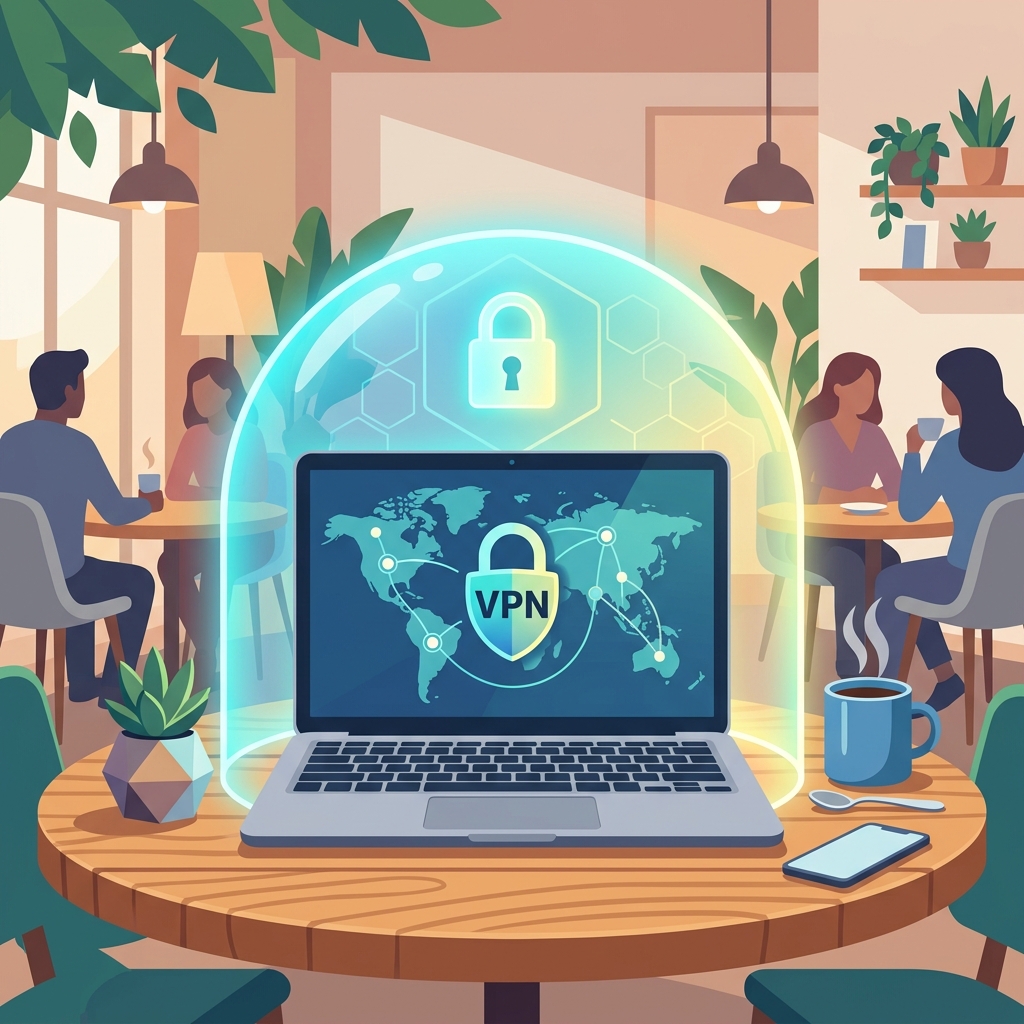
Using a reputable freemium provider is generally safe for banking, especially when connected to untrusted public Wi-Fi networks at coffee shops or airports. It prevents local network snooping. However, most banks already use strong HTTPS encryption to secure your connection, so a VPN provides an additional layer of privacy rather than being an absolute requirement for basic security.
Why is my internet so slow when connected?
Because providers reserve their highest performance hardware for paying customers, free users are often crowded onto a small number of servers. This congestion, combined with artificial speed caps designed to encourage premium upgrades, results in slower browsing speeds. Connecting to a server geographically closer to your actual location can sometimes help mitigate this lag.
Do these providers keep connection logs?
The trustworthy providers listed in this article adhere to strict no-logs policies, meaning they do not track your browsing history. However, some may temporarily record minor metadata, such as the total amount of bandwidth consumed, simply to enforce the monthly data caps on free accounts. This data cannot be used to identify your specific online activities.