
Blog Keyword & Meta Generator
Generate 20 SEO-optimized blog keywords and a high-converting meta description instantly using AI.
Free Blog Keyword & Meta Generator | Toolkits Plus
Generate SEO, AEO, and GEO optimized blog keywords and meta descriptions instantly using advanced AI models. Maximize your organic traffic and click-through rates.
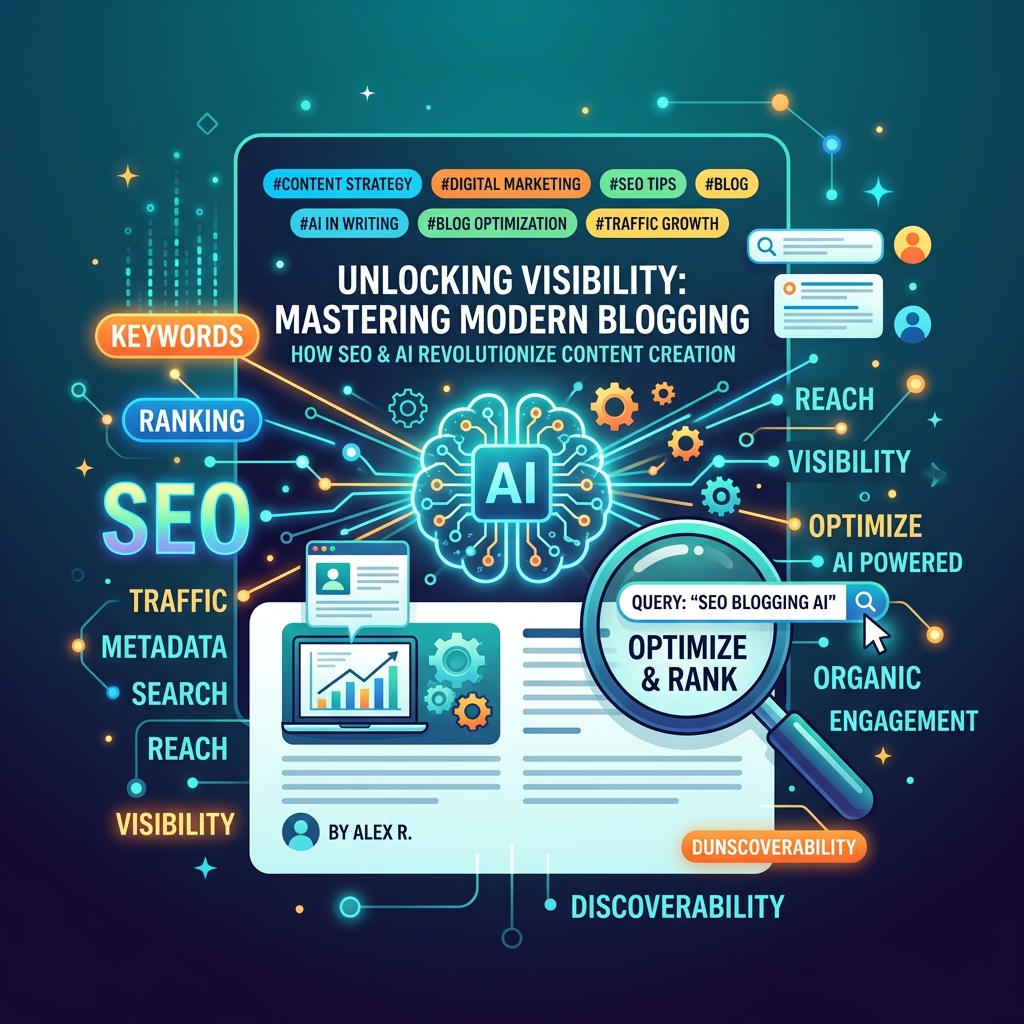
In the evolving landscape of organic search, creating high-quality content is only half the battle. How you package that content for search engines determines whether you get thousands of organic visitors or get buried on page 10. You need a strategy that encompasses SEO (Search Engine Optimization), AEO (Answer Engine Optimization), and GEO (Generative Engine Optimization).
While your headline hooks the human reader, your meta descriptions and underlying semantic keywords act as the digital handshake between your blog and the algorithms mapping the internet. They tell search crawlers and AI summarization models exactly what your article solves.
The Role of Meta Descriptions in Modern Search
A meta description is the HTML attribute that provides a brief summary of a web page. Search engines like Google often display the meta description in search results, which can influence click-through rates (CTR). Think of it as your organic ad copy.
While Google has stated that meta descriptions are not a direct ranking factor for their core algorithm, CTR is absolutely a behavioral ranking signal. If your meta description is so compelling that a higher percentage of users click your link over the link above it, Google's RankBrain algorithm will often bump your page higher. Our generator is specifically trained to write punchy, action-oriented meta descriptions that drive clicks.
The 155 Character Limit
Google truncates meta descriptions that exceed 155-160 characters on desktop (and often around 120 characters on mobile). Our AI is strictly instructed to keep your meta description concise, front-loading the most critical value proposition so it never gets cut off with an ellipsis (...).
Why AEO and GEO Matter for Blogs
The web is shifting from "Search Engines" to "Answer Engines." Users are increasingly interacting with AI interfaces like ChatGPT, Google's AI Overviews, and Perplexity.
- AEO (Answer Engine Optimization): AI models look for concise, authoritative answers. By generating and embedding highly specific semantic keywords into your H2 tags and introductory paragraphs, you signal to AI bots that your article directly answers the user's intent.
- GEO (Generative Engine Optimization): When AI models synthesize answers from multiple sources, they prioritize articles with high contextual density. The keywords our tool generates aren't just for stuffing; they are a roadmap of entities you should weave into your blog post to maximize your GEO relevance.
How to Use This AI Generator Effectively
Follow these steps to seamlessly integrate our AI-generated metadata into your publishing workflow:
- Provide Your Article Topic: Enter the core topic or working title of your blog post. The more specific, the better the AI can align with long-tail search intent.
- Generate the Metadata: Click the generate button. Our underlying Gemini models will instantly output a list of semantic SEO keywords and a perfectly length-constrained meta description.
- Deploy to Your CMS: Use our one-click copy buttons. Paste the meta description into the SEO plugin of your CMS (like Yoast SEO, RankMath, or Ghost's meta settings).
- Weave the Keywords: Don't just paste the keywords into a hidden tag box. Use them! Incorporate the generated semantic keywords naturally into your H2 and H3 headings, your image alt text, and the body of your article.
The Power of Semantic Keywords (LSI)
In the past, SEO involved picking one keyword (e.g., "Dog Training") and repeating it 50 times. Today, search engines use Latent Semantic Indexing (LSI). They expect to see related concepts. If your article is truly an expert guide on "Dog Training," the algorithm expects to find related semantic terms like "positive reinforcement," "leash walking," "clicker training," and "canine behavioral psychology."
Our generator doesn't just give you variations of your main topic; it gives you the semantic cluster required to build topical authority. If you want a deeper analysis of how your current page is performing, run it through our On-Page SEO Analyzer after publishing!
Expert Insights & FAQs
Quick answers to common questions about this utility.
Will this meta description guarantee a higher ranking?
While meta descriptions are not a direct ranking factor in Google's core algorithm, they heavily influence Click-Through Rate (CTR). A higher CTR signals to Google that your page is relevant, which can indirectly boost your rankings significantly.
Where do I put these generated keywords?
Unlike in 2010, you do not put these in a <meta name="keywords"> HTML tag (Google ignores that tag). Instead, use these keywords as a guide for your content creation. Sprinkle them naturally into your headings (H2/H3), your image Alt-Text, and your body paragraphs to build semantic density.
Is there a limit to how many times I can use this tool?
No! The Blog Keyword & Meta Generator is completely free and unlimited. You can generate metadata for your entire content backlog without hitting a paywall.
How is this different from ChatGPT?
Our tool is pre-prompted and system-instructed with strict SEO, AEO, and GEO guidelines. It enforces character limits for the meta description and formats the output into strict JSON that our UI instantly renders, saving you from having to copy-paste prompts and format the results yourself.